In the fast-evolving world of digital design, User Interface (UI) is more than just aesthetics; it's the bridge between users and technology. To remain relevant and deliver impactful experiences, designers and businesses must stay informed about the cutting-edge trends. At Glacial Pixel, we're constantly scanning the horizon for innovations. Here are five UI design trends poised to redefine our digital interactions.

The Impetus to Stay Current in UI Design
The digital realm is dynamic, and user expectations are perpetually climbing. Interfaces that felt revolutionary last year might feel dated today. Understanding and anticipating UI trends allows businesses to innovate, reduce churn, and cultivate a stronger connection with their audience. It's not just about looking good, but about delivering intuitive, efficient, and delightful experiences that stand the test of time (or at least, the next major update!).
1. AI-Generated & Personalized Interfaces
Imagine an interface that learns your preferences, adapts to your mood, and predicts your needs before you even type. AI is making this a reality. From intelligent content recommendations to dynamically layout adjustments, AI-powered UI will offer hyper-personalized experiences, making every interaction feel uniquely tailored. This means less clutter and more relevance, enhancing user efficiency and satisfaction.

2. The Rise of 3D and Immersive Elements
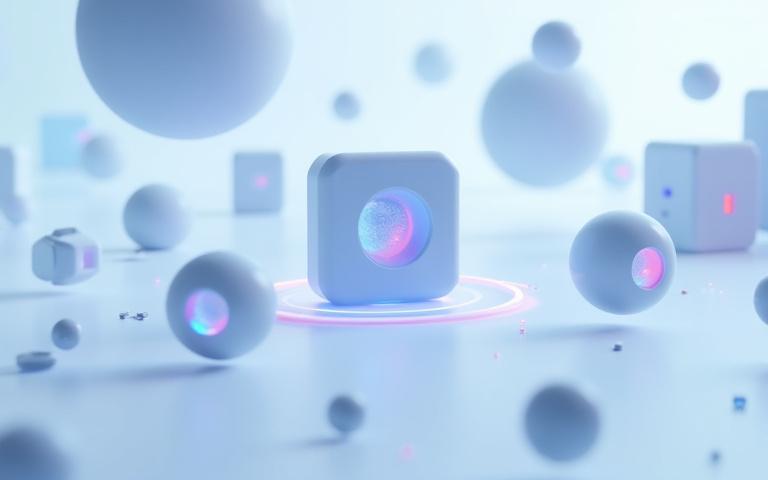
Flat design has dominated for years, but the tide is turning towards depth and immersion. Expect to see more 3D elements, rich animations, and subtle parallax effects that create a sense of realism and engagement. While full VR/AR integration might still be niche, 3D UI elements are becoming accessible, adding visual richness and a tactile feel to digital spaces. These elements can draw users in, making navigation more intuitive and visually appealing.
3. Voice User Interfaces (VUI) and Conversational Design
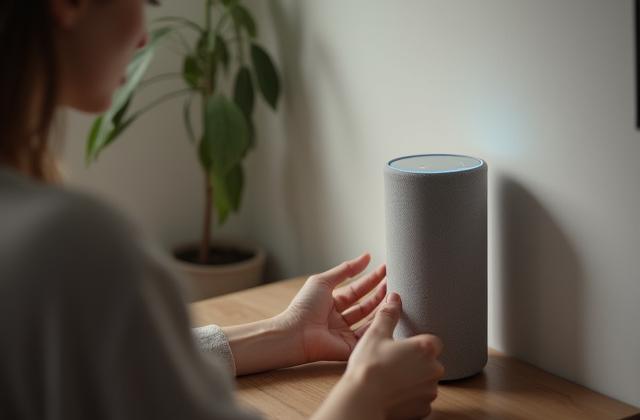
As smart assistants become ubiquitous, VUI is no longer a futuristic concept but a growing necessity. Integrating voice commands allows for hands-free interaction, offering greater accessibility and convenience. Coupled with sophisticated conversational design, VUIs will provide fluid, natural interactions that mimic human dialogue, making technology feel more approachable and intuitive.
4. Advanced Microinteractions and Haptic Feedback
It's the little things that often make a big difference. Microinteractions – the tiny animations, sounds, and visual cues that happen when you interact with an element – are becoming more sophisticated. Paired with haptic feedback (tactile sensations), these subtle details can communicate system status, provide delightful confirmations, and even guide users through complex flows, making the UI feel more alive and responsive.

5. A Focus on Digital Wellbeing and Mindful Design
As screen time increases, so does the awareness of its potential impact on mental health. Mindful design principles are emerging to create interfaces that encourage healthier digital habits. This involves features like customizable notifications, dark modes, focus modes, and dashboards that provide insights into usage patterns, all designed to give users more control and promote a balanced digital life.
Conclusion: Towards a More Dynamic, Intelligent, and Human-Centric Future
The future of UI design is dynamic, intelligent, and deeply human-centric. From AI-driven personalization to immersive 3D experiences, accessible voice interfaces, nuanced microinteractions, and a commitment to digital wellbeing, the trajectory is clear: interfaces that understand, adapt, and respect the user. At Glacial Pixel, we're excited to help our clients navigate these exhilarating changes, transforming these trends into tangible, impactful digital solutions. Stay curious, stay creative, and let's craft the future of UI together.